Lessons from Open Water Crossings
My first open water crossing wasn’t really open water at all. But at the time, it felt big enough.
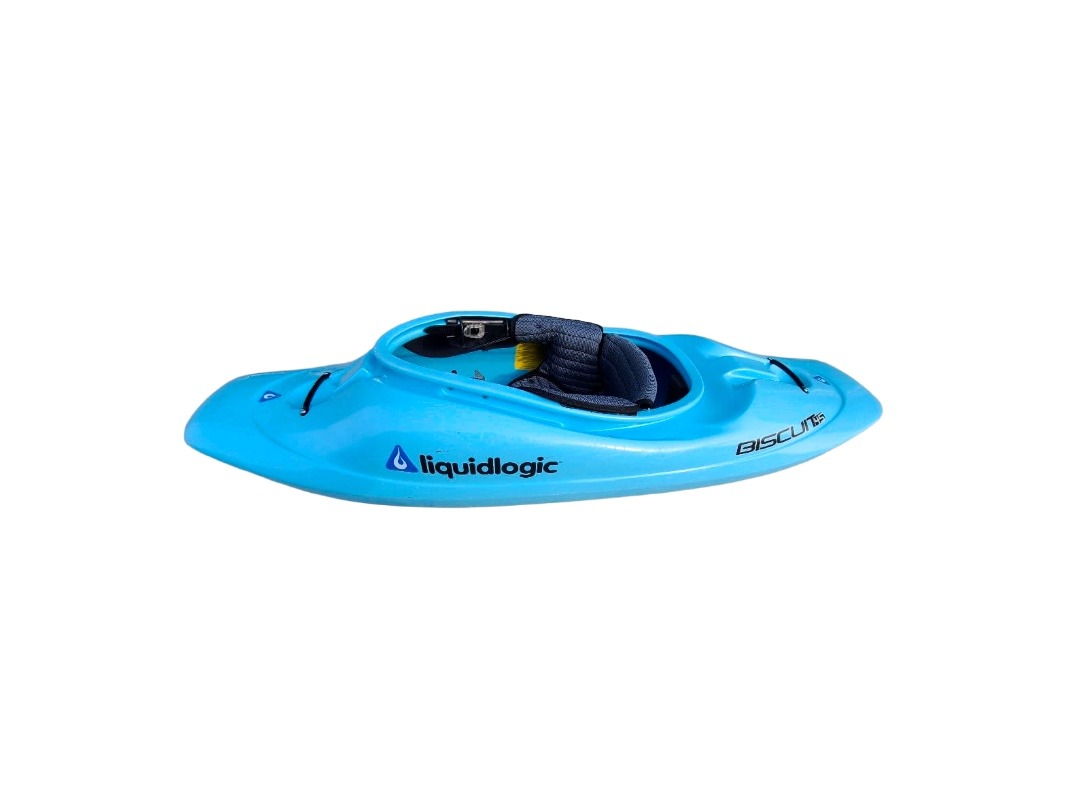
I was 19, working at Elemental UK on Swanpool Beach. I couldn’t drive and my usual transport was a bicycle but I’d recently picked up a Liquid Logic Biscuit 55 play boat and wanted it at work so I could use it before or after shifts. Not long before, I’d been on my CNTP and 4 Star sea kayak training with Lee Pooley in Devon, so naturally I decided the logical solution was to paddle it to work.
From my parents’ house I walked down to Mill Quay, planned to launch on the high water and let the ebb drag me out of the estuary and round toward Swanpool. It sounded simple enough. But as I approached the mouth near Black Rock, I remember very clearly feeling small. The ebb was starting to run properly, the water was moving with purpose and my six-foot baby blue play boat suddenly felt very insignificant in a big bit of water.
I also remember thinking, quite plainly, this might not be the smartest idea.
The current swirled me about a bit, but I made it round without any real issue. Still, it was the first time I’d felt that psychological shift – that moment where paddling stops being casual and starts feeling consequential.
That stretch of water at the Carrick Roads estuary mouth is still one I use a lot in coaching. It’s only about a mile across, but it’s a brilliant navigational challenge. You’ve got shipping to think about, transits to hold, tide to manage and if you run it at night it adds another layer entirely. It’s ideal for intermediate paddlers stepping up, or for aspiring Moderate Water leaders learning how to manage a group.
What’s interesting is how differently people react once they leave the shoreline.
When you’re following a coast, your brain is busy. You’re constantly adjusting your line, reading the land, noticing features. Open water strips all of that away. Suddenly the view barely changes, progress feels slow and for paddlers without that experience you can almost see motivation drop in real time. It’s not the distance that gets them – it’s the feeling of going nowhere.
The more crossings you do, the more you learn how to manage that headspace. But there are always lessons along the way.
A favourite quote from George Shaw of Sea Kayaking Isle of Man sums it up well recently after completing his Five Kingdoms challenge:
“If you want to hate kayaking, do a crossing.”
Perhaps a familiar feeling for anyone who’s completed a long open water crossing.
The Falmouth Triangle
In my early years working for Sea Kayaking Cornwall, I joined the winter guide training. One of the challenges that year was the Falmouth Triangle; about 26 nautical miles with an open-water section and we had only a few hours’ notice. The main advice was simple: time the Manacles to Gull Rock section with the tide.
That meant a 5am launch and not much sleep.
I woke up buzzing for it and had a double breakfast to prepare. We launched through surf at Swanpool and I managed to ship some water into the cockpit of the Tarantella I was paddling. Not loads – but enough that I noticed it. I told myself it wasn’t worth stopping for and carried on.
For a while everything felt fine. We were pacing well, taking short breaks, fuelling properly. But after a few hours I started getting irritated at the stops and wishing we’d just crack on. That was the first sign something wasn’t right.
I was getting cold.
Halfway across the open section it clicked. I’d been sitting in cold water for hours and was getting hypothermic. My thinking had gone foggy, my mood had dropped and I wasn’t doing the obvious thing to fix it.
The guides I was paddling with spotted it before I did. We landed on Towan Beach, emptied the boat, got me a hot drink and reset. I recovered enough to finish the triangle, but I felt rough for a good while afterwards.
It was a simple lesson: small preparation mistakes become big problems in open water.
If I’d just emptied the cockpit at the start, the day might have felt completely different but experiencing this was a great lesson in itself
Isles of Scilly
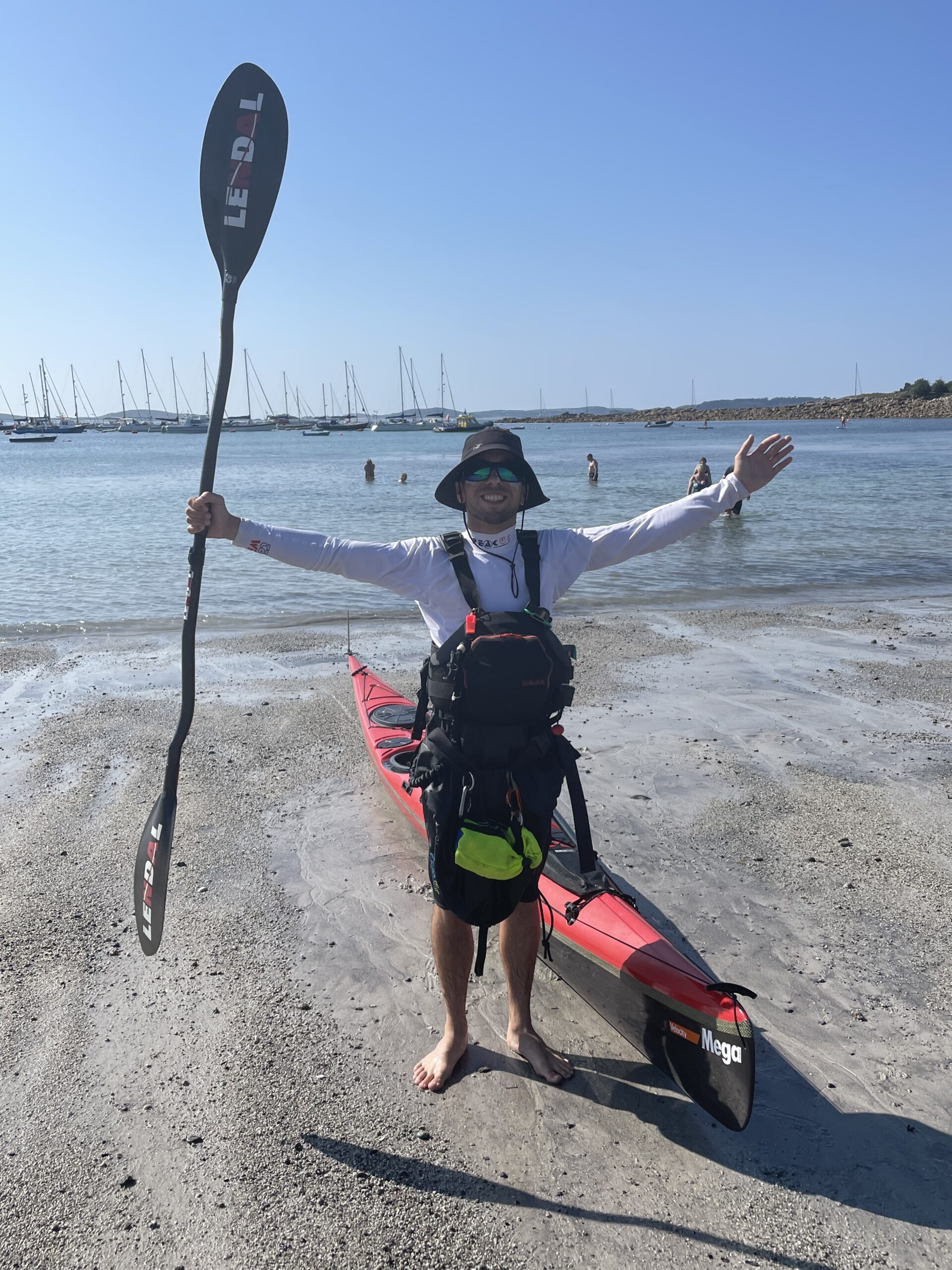
One of my long-term goals after that was the crossing from Land’s End to the Isles of Scilly.
It’s a bit of a unicorn trip from Cornwall. You need the right weather window, enough fitness, the right tides and time off work – and lining those things up rarely happens on schedule. I’d watched opportunities come and go for years. High pressure would appear, then slide away. Wind directions would change. Something would always knock it off.
Eventually one week the forecast held steady. By Wednesday it still looked good. By Friday it hadn’t changed. So on Saturday morning I launched from Sennen Lifeboat Station around high water and rode the ebb out past Longships Lighthouse and into the blue.
Early on, a minke whale surfaced nearby. Later there were Risso’s dolphins, common dolphins and seabirds passing through. They broke up the horizon, which for long stretches was otherwise just water and sky.
For most of the crossing you lose sight of land entirely. The Isles of Scilly don’t really show themselves until the final couple of hours and until then it’s a proper head game.
It took about six and a half hours with a light easterly helping me along. I spent a fair bit of that time singing to myself, talking nonsense out loud, or putting on ridiculous accents just to stay mentally engaged.
Solo crossings can be surprisingly boring.
But landing on the sandbar at Great Ganilly – this strip of golden sand appearing out of nowhere was unforgettable. Even better was paddling in and surprising Geoff, Andy and James P from Sea Kayaking Cornwall, who were already over there and able to celebrate the crossing with me.
“James… I didn’t know you were working here next week. Did you get the ferry? Oh my god! You’ve paddled!”
Another lesson from that crossing was hydration. I’d taken four litres of water, assumed it would be plenty and still ran out before finishing. Hot, humid days catch you out faster than you expect, especially when you’re focused on maintaining pace.
Lundy
A few years later I was looking for another challenge and had my eye on Lundy. The first decent high pressure didn’t arrive until late December. Ben was keen to join and after the Scilly crossing I was glad of the company.
We camped in the van the night before in freezing temperatures and launched from Lee Bay at 5am. Mort Point’s tide race sounded pretty lively in the dark but it behaved itself and we were rewarded with a brilliant sunrise. Unfortunately my headtorch popped out of it’s mount and disappeared into the sea.
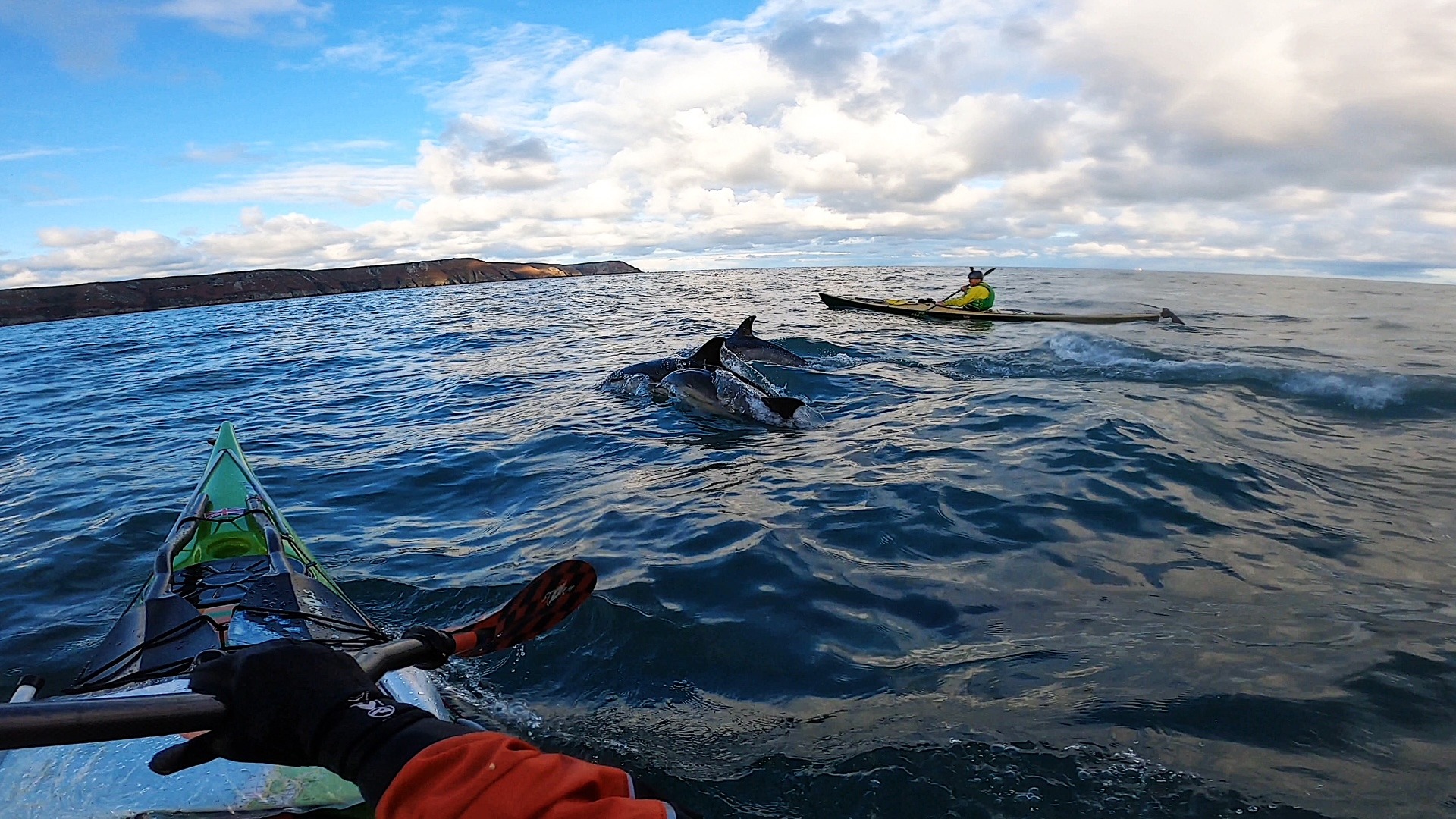
We had a large pod of dolphins on arrival at Lundy, stretched our legs, grabbed some food, then got straight back in the boats. It was very much a type-2 fun day, dictated by the time of year.
The return leg was slower. The flood didn’t give us as much help as we’d hoped and Ben was managing a shoulder niggle, so we dropped the pace. By the time we hit Mort Point again we were back in darkness, paddling through the race under a full moon.
We landed exhausted. Hands barely working, getting changed was a mission. But we’d made it to Lundy and back in December, the long way, and it felt like a proper winter adventure.
That trip reinforced something simple: company changes everything on long crossings. We had stretches of silence, but also plenty of conversation and that shared experience made the open water feel smaller. When shipping moved inside Lundy on the return leg, we talked through plans calmly and kept awareness high. Every time that happens, I mentally rehearse my emergency options.
Closer to home
More recently I set myself a different kind of challenge: launch from Maenporth and just see how far I could get in a single day.
I’d worked hard leading up to it, probably harder than I should have and although work was going well I was running a bit low on energy. The first part felt great though. I was flying along the coast, linking sections I usually paddle with clients, enjoying the freedom of not being on the clock.
By the time I reached Mullion I still felt strong, so I pushed on and decided to make the crossing toward Land’s End. It added another big chunk onto what was already a long day.
Partway through, my mindset started to dip. Solo, there’s nowhere to hide from that shift. With others you can chat, distract yourself, share the load. Alone, it’s just you and the water.
I kept going, but when I couldn’t land at Lamorna I pushed further into the evening, eventually finishing in darkness while looking for somewhere suitable to get off the water. It worked out fine, but it was a reminder that pushing on can sometimes be the start of avoidable problems.
Preparation matters. So does honesty with yourself. After a few days off I was rewarded visiting a Cornish tide race in perfect conditions for the first time – a few hours of surfing and fun, well needed after the crossing a few days before.
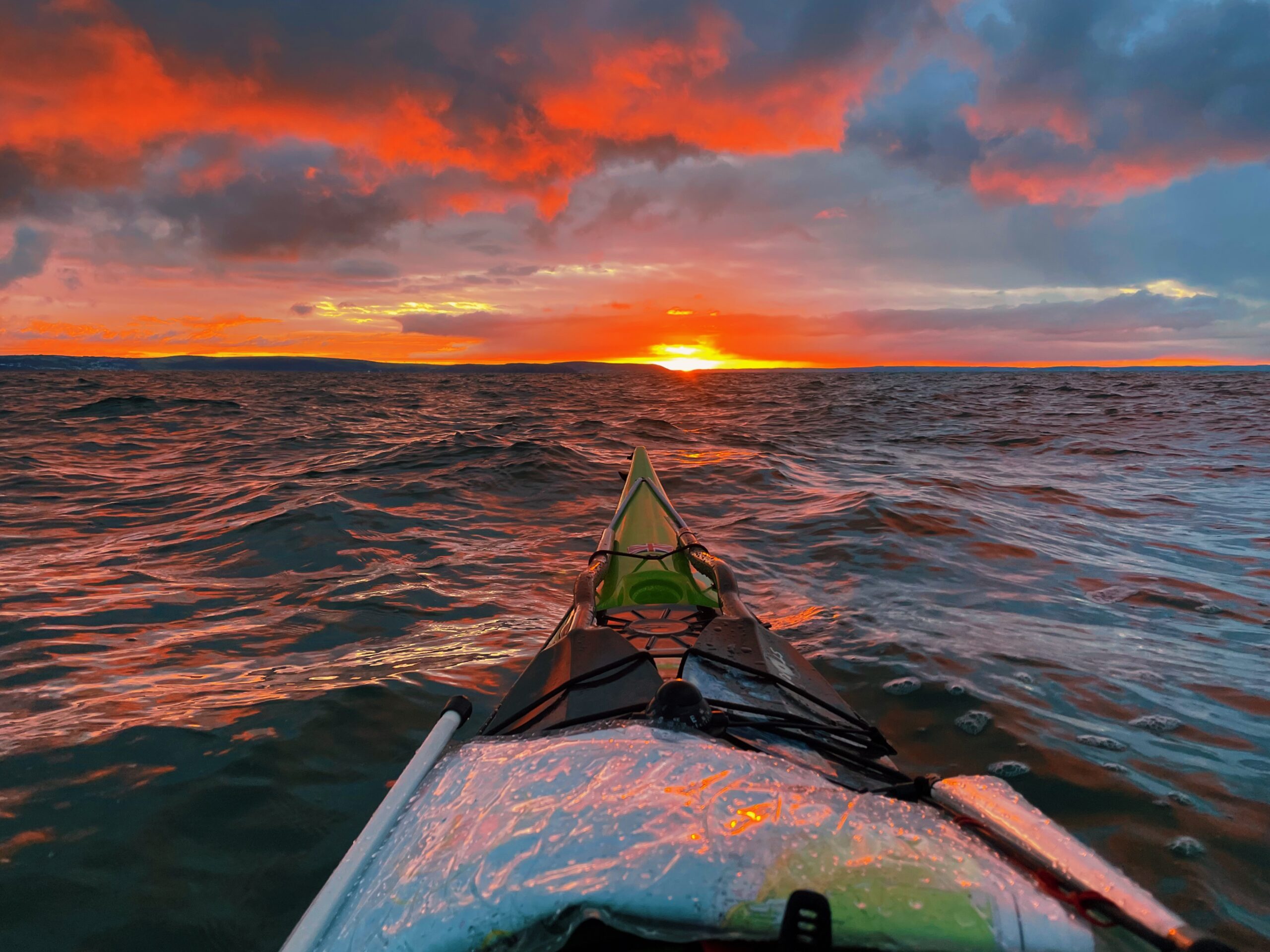
Open water crossings have a way of exposing both strengths and weak spots. They test planning, mindset, hydration, pacing, clothing, navigation and sometimes just patience. You don’t always learn those lessons the easy way.
But finishing a crossing under your own power – whether it’s a mile across an estuary or a full offshore passage, brings a kind of satisfaction that’s hard to match.
It’s one of the reasons I keep going back for more.